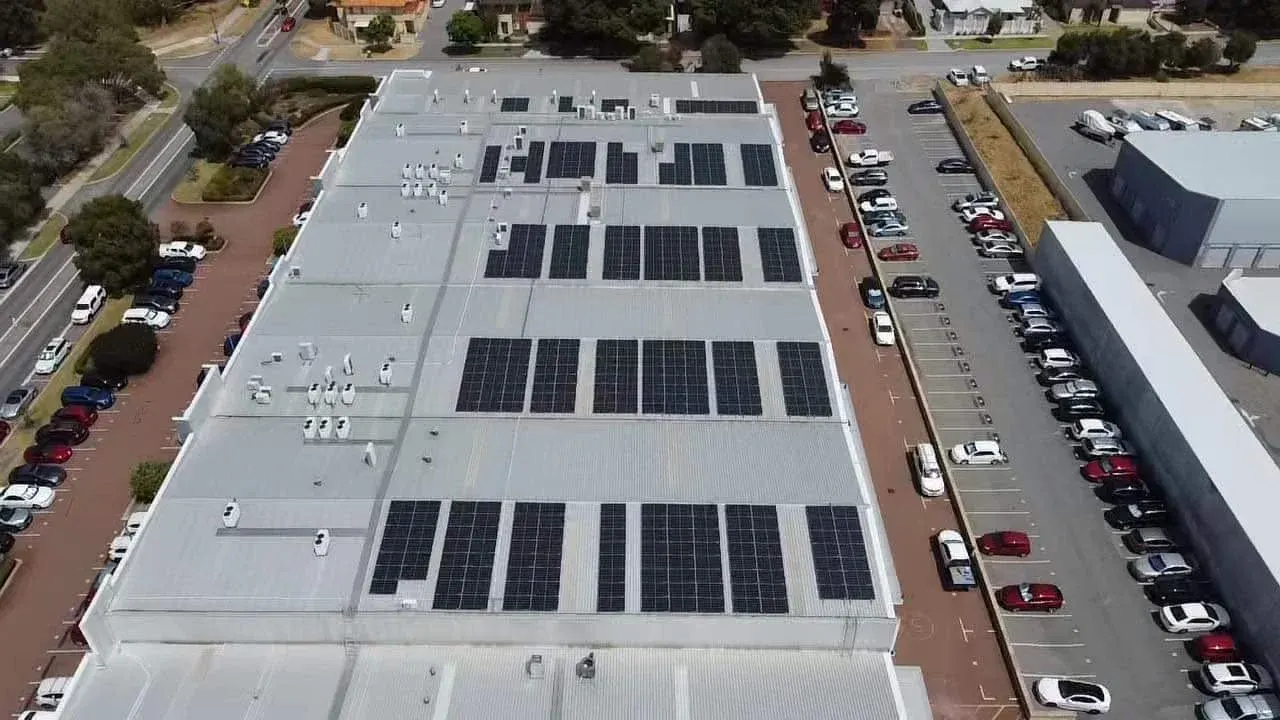
How we deliver commercial solar in WA, from feasibility to handover
We are a full EPC partner for commercial solar. That means one team handles feasibility, engineering, approvals, finance support, installation, commissioning and handover. Here is what happens at each stage.
Most commercial solar quotes cover panels, inverters and installation. The parts that decide whether a project goes well are often left to you: the feasibility work, the engineering, the Western Power application, the retailer paperwork and the finance. When those are split between a consultant, a designer, an installer and a broker, you end up managing the project yourself.
Infinity works as a full EPC partner on commercial solar. EPC stands for engineering, procurement and construction. In plain terms, we handle the whole project from the first look at your bills to handover, and our own team is accountable for every stage. Here is how that works.
1. Feasibility: does solar stack up on this site?
Every project starts with your data, not a panel count. We ask for 12 months of bills and, where available, your interval data, then look at:
- When you use power. Factories, workshops, schools and offices that run through the day are usually strong fits, because that is when solar produces.
- Demand charges and tariffs. On many business bills the demand charge matters as much as the energy rate.
- Roof, structure and space. Available area, orientation, shading, roof condition and whether the structure can carry the load.
- Switchboards and supply. Whether the existing infrastructure can take the system or needs upgrades.
- Export limits. How much the network will let you export, which shapes the right system size.
The output is a feasibility statement: recommended system size, estimated generation, savings, payback and the rebates or certificates the project may be eligible for, including upfront STCs for systems up to 1MW. If the numbers don’t work, we tell you.
2. System design and engineering
Once the case is clear, we design the system properly. That includes the array layout, inverter and string design, cable sizing, protection, metering and monitoring, plus single-line diagrams and the documentation the network operator needs.
Engineering isn’t an optional extra on our commercial jobs. We partner with a local Perth engineering firm on the electrical engineering and a local structural engineer on the roof and mounting, on every job. They are the same people each time, so they know how we design and build, and you get engineering certification without having to find and manage consultants yourself. On the MercyCare program, for example, every site had its own structural engineering report.
Design also covers the practical side: maintenance walkways, roof access, where the inverters live and how monitoring and export control will talk to each other across buildings.
3. Applications and approvals
This is the stage most business owners don’t see coming. Systems above 30kVA can’t use Western Power’s basic connection process. They go through a separate assessment by a Western Power technical specialist, with its own fees, according to Western Power.
For systems from 30kVA to 200kVA, Western Power’s process runs from an enquiry and feasibility check through a formal application, network studies, technical schedules and a commissioning report before the system is approved to operate. Your retailer also has a part to play. Synergy requires a Commercial Solar number from Western Power before it will process a business solar application over 30kW.
We prepare and lodge all of it: the Western Power enquiry and application, retailer paperwork, metering changes, STC or certificate registration, and council approval where it’s needed. Regional sites on Horizon Power’s network follow their own process, and we handle that too.
4. Finance support
Commercial solar is a capital decision, so we help you work out the best way to pay for it. We model outright purchase against finance, so you can see the cash-flow effect month by month.
If finance suits your business, we work with a finance partner and can set you up with them directly. We help you through the application and supply the system details, quotes and paperwork the lender needs, so finance runs alongside the project rather than holding it up. Where repayments are lower than the power savings, the system can pay for itself from the first month.
5. Procurement
We specify and order the equipment for each project: Clean Energy Council approved panels, inverters from established brands such as Fronius, mounting systems rated for the roof, and the switchgear and cabling to suit. Buying it ourselves means we control lead times, and the warranties sit with a supplier we deal with every week.
6. Installation
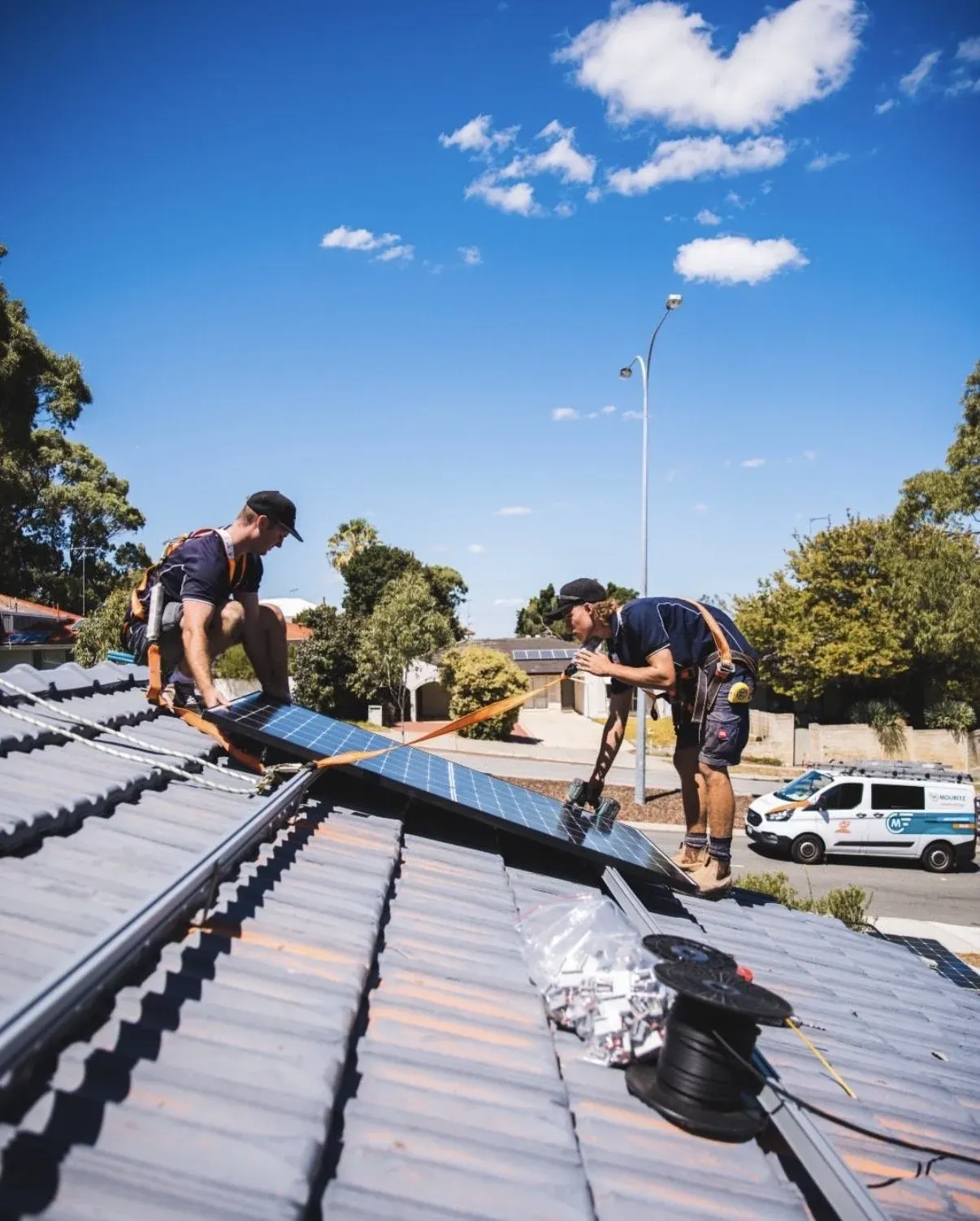
Our own qualified electricians do the installation, with project management and site coordination from our team. On commercial sites that means:
- Safety plans, inductions, exclusion zones and elevated work platforms where needed.
- Working around your operations, such as school timetables, residents on site or a production floor that can’t stop.
- Planned, staged shutdowns for switchboard work, agreed with you in advance.
At Beaconsfield Primary School, for example, the work was planned around the school timetable with clear safety zones, on a site that stayed open the whole time.
7. Commissioning and handover
Before a system is switched on, every string is tested and the protection, export control and monitoring are checked. We submit the commissioning paperwork to the network operator and get the approval to operate.
At handover you get the documentation pack: as-built drawings, test results, equipment warranties, compliance certificates and monitoring access. We walk your team through the system so they know what normal looks like and what to do if something changes.
8. After handover
We stay on as your solar contractor. That means monitoring checks, maintenance, warranty claims, and support when the site changes. At Jarrahdale Heating & Cooling, when the roof needed repairs, we removed and labelled the panels, then reinstated them afterwards. Custom Bench Tops came back to us three years after their first 40kW system to add 100kW across the rest of the factory roof.
Why one EPC partner matters
- One point of accountability. If something isn’t right, there is no argument between a designer, an installer and a broker about whose problem it is.
- Finance sorted in the same place. We connect you with our finance partner and help with the application, so you aren’t dealing with a separate broker.
- The design is built for the approval. Because the same team designs the system, works with the engineers and lodges the network application, there are fewer surprises and fewer redesigns.
- Engineers who know our work. Our local electrical and structural engineering partners work on every installation, so engineering is part of the process, not an extra you have to chase.
- Less of your time. You make the key decisions. We do the coordination, paperwork and follow-up.
- The numbers carry through. The savings in the feasibility statement are tied to the system we actually install.
Infinity has delivered commercial and government solar for clients including Hitachi Rail, MercyCare, the Department of Housing and Works and the Public Transport Authority. See our commercial solar services and recent projects, or send us 12 months of bills and we’ll start with a feasibility assessment.
Common questions
What does EPC mean in commercial solar?
EPC stands for engineering, procurement and construction. An EPC partner designs the system, buys the equipment and builds it, and is accountable for the whole project through to handover.
Do you handle the Western Power application?
Yes. We prepare and lodge the Western Power enquiry and application, the retailer paperwork and metering changes, and the commissioning documents needed for approval to operate.
Who does the engineering?
We partner with a local engineering firm for the electrical engineering and a local structural engineer on every commercial installation. We coordinate them as part of the project, so you don't have to engage consultants separately.
Can you help with finance?
Yes. We work with a finance partner and can set you up with them directly, then help you through the application with the system details and paperwork the lender needs.
How long does a commercial solar project take?
It depends on the system size and the network approval. Systems above 30kVA go through a separate Western Power technical assessment, so we plan the program around that from the start.
What do you need from us to start?
Twelve months of electricity bills and, where available, interval data from your retailer. We use these to build the feasibility statement.